
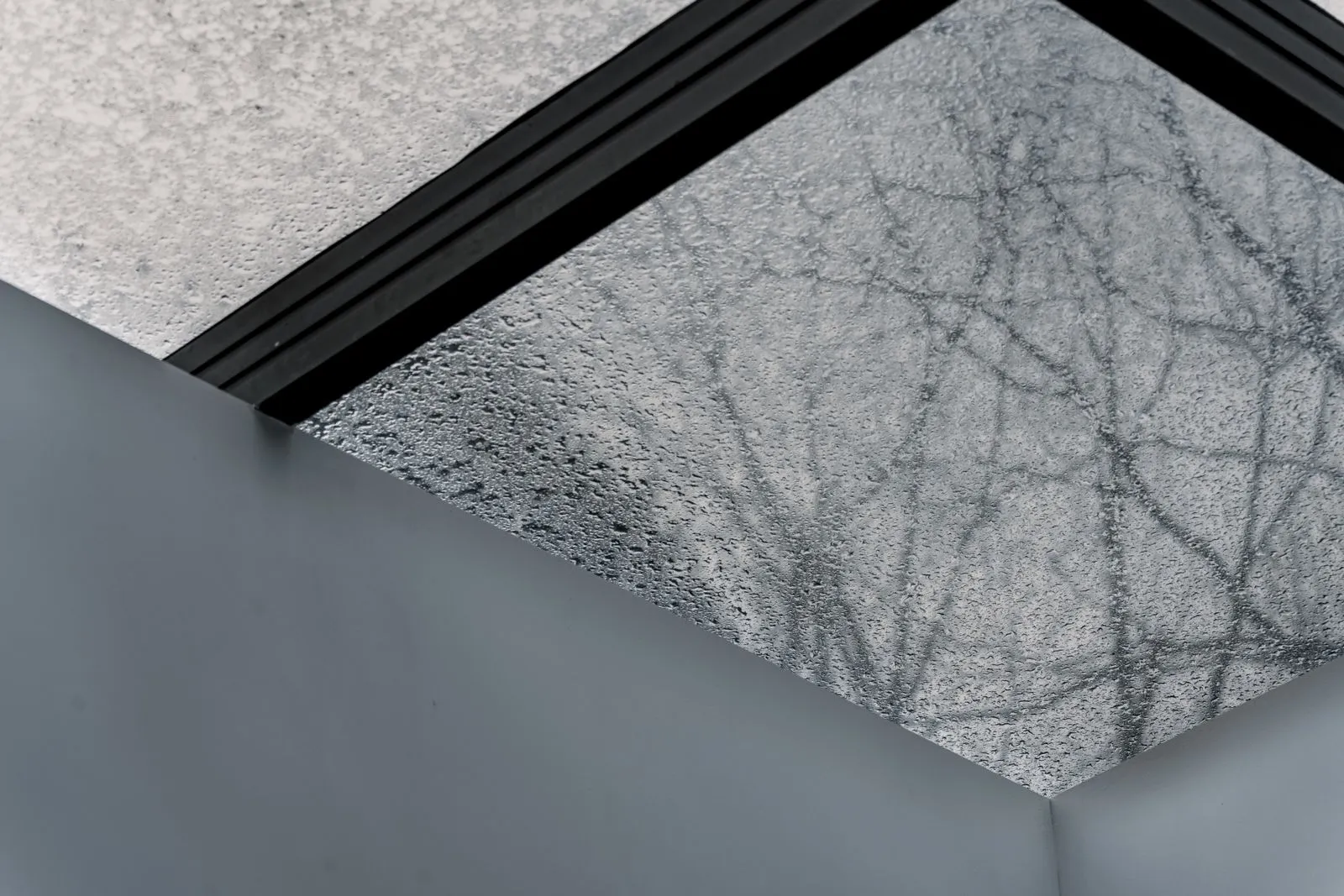
Decorative glass can soften a view, brighten a dim space, or add a distinctive detail without making a room feel closed off. The right choice depends on where the glass will go and how much privacy you need. Consider the sightline, daylight, and surrounding finishes before choosing a pattern or texture. With those priorities clear, you can compare options for doors, bathrooms, cabinets, and room dividers with confidence.
Start With Privacy Needs
Think about what someone could see through the glass from the most likely viewing angle. A bathroom window facing a neighbor may need stronger obscurity than a cabinet door or interior transom. Textured, frosted, or patterned glass can blur shapes, but the level of privacy varies by design and lighting. Ask to view a sample from both sides and at different distances before deciding.
Privacy also changes with light. At night, a brightly lit room can make silhouettes more visible through some glass, even when it looks opaque in daylight. For a bathroom or bedroom, test samples with lights on behind them. If clear sightlines are unacceptable, pair decorative glass with a shade or choose an option designed to obscure views more fully.
Choose How Light Moves
Clear glass passes the most light and keeps spaces visually connected. It suits interior doors or partitions where you want daylight to travel between rooms, but it offers little privacy. Etched or frosted finishes diffuse light and reduce direct visibility, making them useful where you want brightness without a crisp view through the pane.
Pattern and texture affect the quality of light as well as visibility. Ribbed or reeded glass can create a softened, directional view, while broader patterns may scatter light more evenly. Compare samples in the actual room if possible. A small sample held near a window can look different from a full panel, especially when sunlight changes throughout the day.
Match Pattern to Placement
Use decorative glass where its visual detail has a clear purpose. A patterned panel can bring interest to a front door, brighten an interior passage, or give a cabinet a finished look. In a room divider, consider whether the pattern will complement nearby furniture and finishes rather than compete with them. Repeating a texture in one or two locations can create a more composed effect.
Scale matters. Fine patterns may feel subtle across a large opening, while bold designs can dominate a compact space. Look at the full panel dimensions and nearby trim before selecting a motif. For doors that open often, check that the design works from both sides and that the glass style fits the frame and the home’s overall character.
Consider Care and Installation
Some textures and etched surfaces collect fingerprints, dust, or water spots more visibly than smooth glass. Ask how the specific finish should be cleaned and whether it needs special care. In kitchens and bathrooms, consider how often the surface will be touched or exposed to moisture. Choosing a practical finish can help preserve the glass’s appearance without adding a demanding cleaning routine.
Confirm that the glass is suitable for its location and intended use before ordering. Doors, sidelights, and other areas may have different safety requirements depending on their placement and local codes. A glass professional can help review measurements, framing, privacy goals, and installation details. Bluegrass Glassworks in Lexington can discuss decorative glass options for your home.
The best decorative glass balances privacy, useful light, and a pattern that feels at home in its setting. Compare samples in the room, consider nighttime visibility, and check care and installation needs before committing. If you are planning a project, speak with a glass professional to narrow the choices for your space.